Sustainability literacy is essential as it equips individuals with the knowledge and skills to address the pressing environmental, social, and economic challenges we face. It helps people understand how their choices impact the world around them and encourages actions that promote resource conservation, waste reduction, social equity, and climate action. Sustainability literacy also supports clean water, affordable energy, sustainable cities, decent work, and responsible consumption. It plays a key role in tackling issues like poverty, inequality, and environmental degradation, while fostering innovation, peace, and strong institutions, and promoting global partnerships for a more sustainable and responsible future for all.
Based on an estimated 20% increase compared to the previous year, approximately 85.25% of EUL graduates are projected to have successfully completed courses related to environmental and sustainability related studies. This reflects the University’s continued commitment to sustainability education, environmental awareness, and addressing global challenges.
Similarly, the estimated results of the General Satisfaction Survey (GSS) indicate improvements in student perceptions of sustainability practices. Approximately 87.78% of students are projected to express satisfaction with the University’s eco-friendly initiatives, while 96.56% consider sustainability education and awareness programmes adequate. Additionally, 49.45% are projected to favour greater emphasis on environmentally friendly policies, reflecting growing student interest in sustainability.
To assess the sustainability literacy of students enrolled in the Environment and Sustainable Development course, a literacy test is administered at the end of the course. This test is separate from the course grading and serves as an additional measure of students’ understanding of the environmental aspects of sustainability. Certificates are awarded to those who perform well on the test.
In a similar context, students enrolled in various corporate social responsibility courses such as Occupational Safety and Health, Human Rights, Sociology and Ethics in Profession are entitled to receive a certificate about social aspects of sustainability by a literacy test that is administered at the end of the courses. ( See related courses below )
In the framework of sustainability policies, EUL provides mandatory certified training (annually 3 hours per employee) separately for academic and administrative staff. These training sessions are designed to enhance knowledge and awareness of sustainability practices specific to each group’s role. Following the training, a test is conducted to evaluate participants’ understanding, and certificates are awarded to those who successfully pass. These training sessions are held at least once a year to ensure continuous improvement. This initiative aims to ensure that all staff are well-equipped to contribute to the university’s sustainability goals. These trainings are structured around key disciplines, such as Environmental Aspects of Sustainability, Social Aspects of Sustainability to deepen awareness of global sustainability. Moreover, EUL Ethical Compliance Office in collaboration with EUL Continuing Education Centre are responsible for organising various annual training. This approach provides a comprehensive understanding of sustainability from ecological, social and environmental perspectives, equipping staff to tackle the complex challenges of sustainable development worldwide.
CFE202 – Environment and Sustainable Development
OSS202 – Çevre ve Sürdürülebilirlik
CTE401 – Occupational Safety and Health
CFE204 – Human Rights
COM115 – Sociology
COM204 – Ethics in Profession
EUL provides dedicated outreach educational activities for the wider community, including NGOs, alumni, and local residents.
The European University of Lefke developed a tool inspired by Sulitest, SOTASK Tool (Sürdürülebilirlik Okuryazarlığı) Platform, which strengthens sustainability literacy by tailoring assessments to the EUL’s specific context, priorities, and local challenges. It enables more relevant measurement of students’ or staff’s understanding of environmental, social, and economic issues while identifying targeted knowledge gaps. By embedding sustainability into institutional learning goals and continuous evaluation, such a tool fosters informed decision-making and cultivates a culture of responsibility and long-term thinking within the community.
Through the Continuous Education Centre, the University offers certificate programmes and short courses on various sustainability, entrepreneurship, and professional development topics that are open to the public.
Community Engagement in SDG Activities
EUL actively organises dedicated educational outreach activities for the wider community, including public lectures, seminars, workshops, training programmes, short courses, and awareness-raising events. These activities are freely accessible to alumni, local residents, displaced people, refugees, non-governmental organisations (NGOs), and other members of the public, regardless of their background or socioeconomic status. Through these initiatives, EUL promotes inclusive and equitable access to education, lifelong learning, community engagement, knowledge sharing, and equal opportunities for all. These outreach activities also strengthen university–community collaboration, support disadvantaged and underrepresented groups, and contribute to the United Nations Sustainable Development Goals (SDGs), particularly SDG 4 (Quality Education), SDG 10 (Reduced Inequalities), and SDG 17 (Partnerships for the Goals).
Recent Educational Activities for Wider Community
EUL organised an educational origami workshop for students and teachers of Cengiz Topel Industrial Vocational High School. The activity promoted creative learning, problem-solving skills, and community educational outreach, supporting SDG 4 (Quality Education).
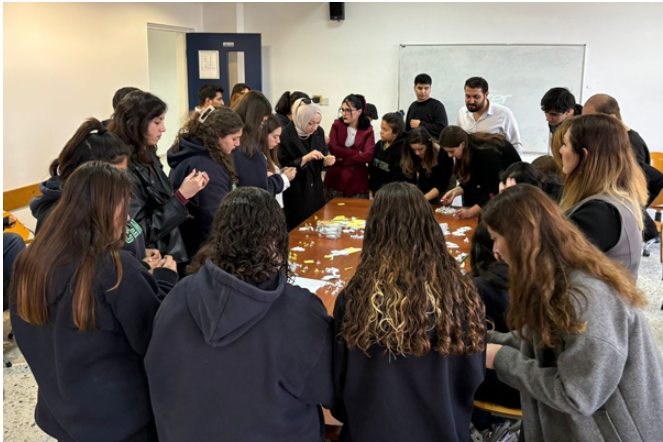
EUL organised an interactive mathematics workshop for Kurtuluş Primary School students, introducing mathematical concepts through creative and practical activities. The initiative strengthened university–community engagement, inclusive education, and innovative learning opportunities for local children.
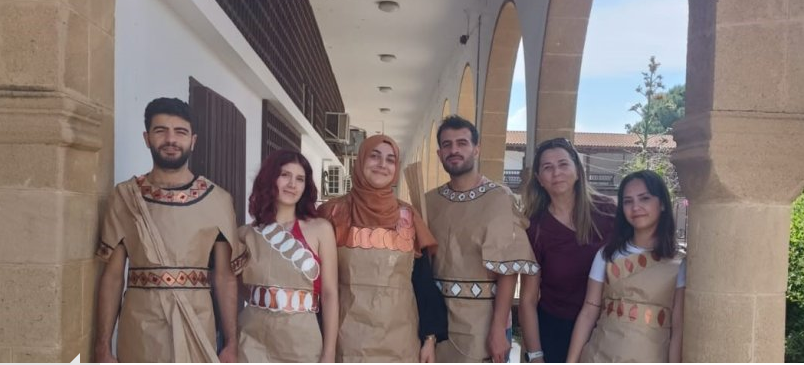
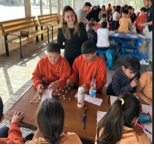
EUL conducted an art and museum education workshop at the Güzelyurt Archaeology and Nature Museum for local primary school students. The programme promoted cultural heritage awareness, experiential learning, creativity, and community educational engagement.
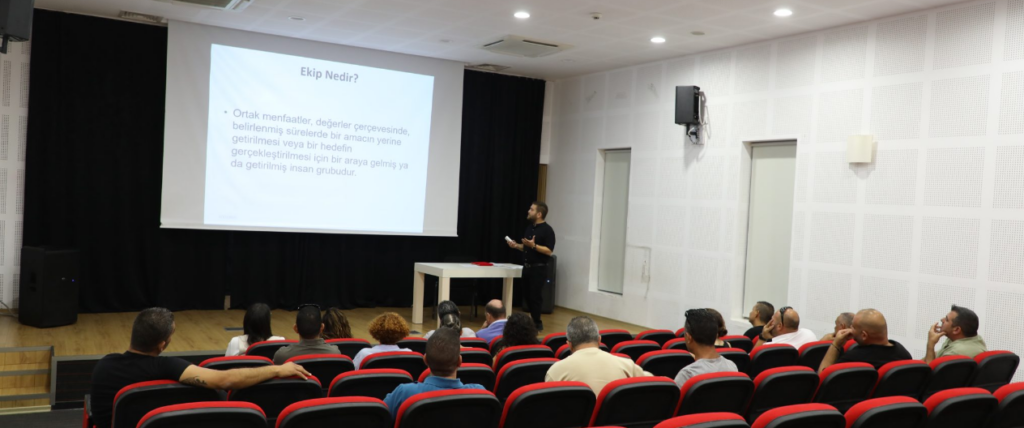
Through its Continuing Education Centre (EULSEM), EUL provided leadership and teamwork training for officials of Değirmenlik Akıncılar Municipality. The programme strengthened professional development, lifelong learning, institutional cooperation, and effective local governance.